14th October 2025
When installing photovoltaic power plants in high altitude areas, don’t make these 5 mistakes!
-
 author
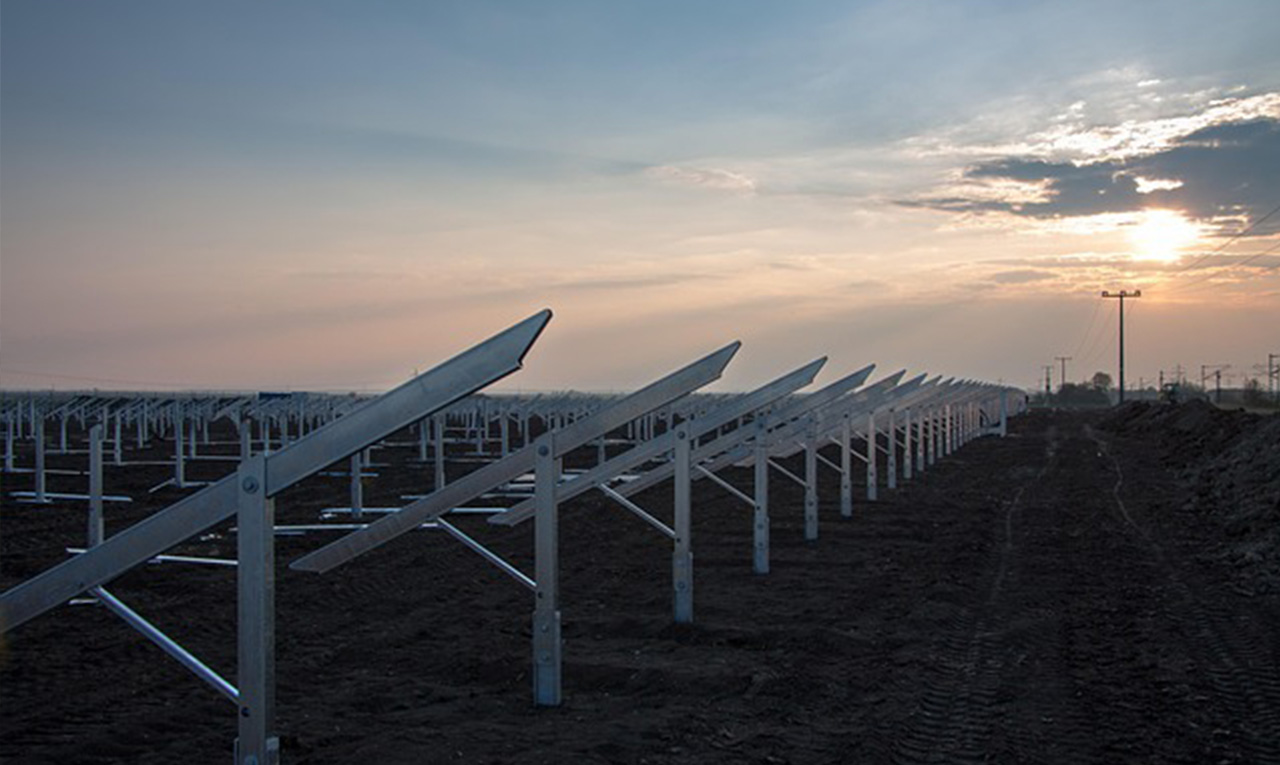
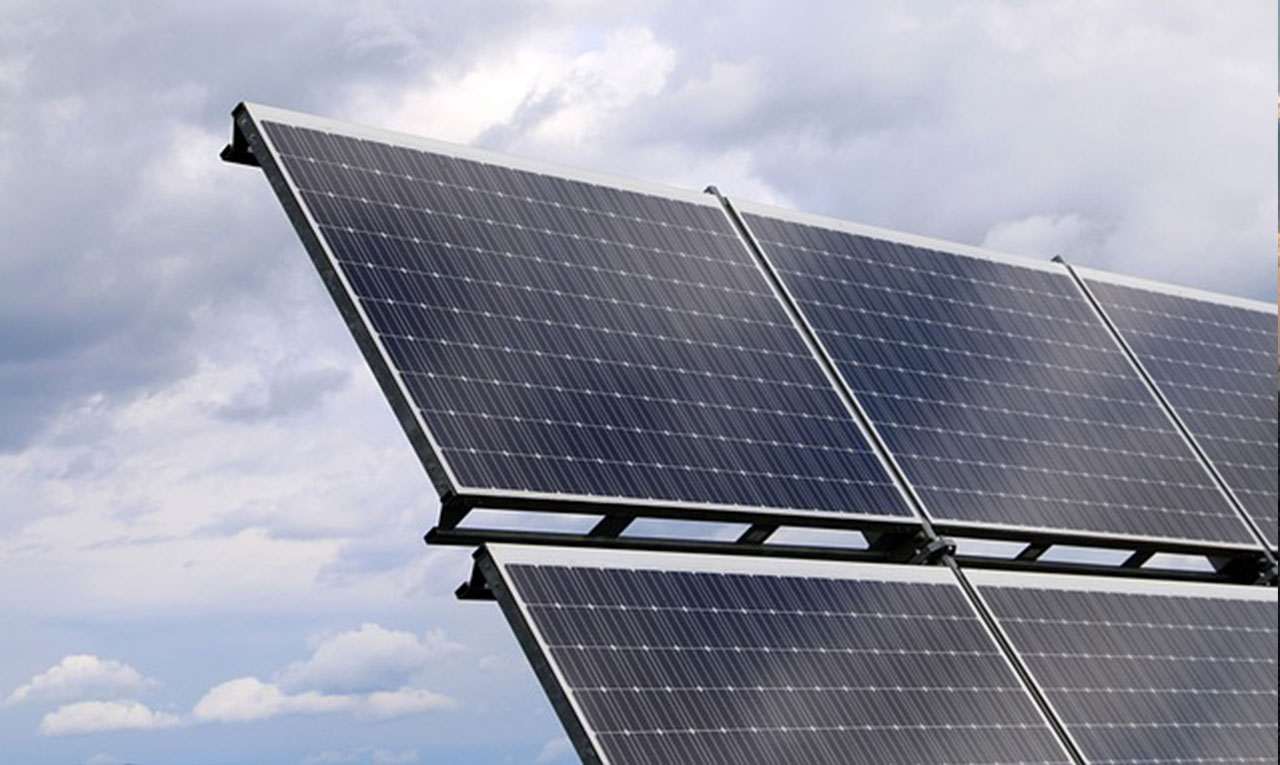
High-altitude regions like Tibet and Qinghai, with their strong sunshine, are ideal locations for photovoltaic installations. However, many users make simple mistakes, leading to a sharp drop in power generation. Here are five common mistakes: First, choosing standard modules. Ultraviolet rays at high altitudes are strong, and the backsheets of standard modules will degrade within a year. Opt for modules with UV-resistant coatings. Second, not installing windproof supports. Plateau winds are strong (often reaching speeds of force 10), and unreinforced supports can be blown over. It is recommended to use hot-dip galvanized steel, buried at a depth of 1.5 meters. Third, not installing reverse charge protection devices. During low winter temperatures, the panels may discharge reversely, damaging the inverter. Therefore, installing reverse charge protection diodes is essential. Fourth, the installation angle is too small. At high altitudes, where snow accumulates heavily in winter, an angle less than 30° will cause snow accumulation. A 40°-45° angle is recommended. Fifth, not regularly removing snow can cause the modules to “go dormant.” Use a plastic scraper to remove snow promptly; avoid metal tools (which can scratch the glass). Mr. Wang, a Tibetan resident, installed photovoltaic power in 2022. Due to a lack of wind protection, the support structure was blown down, resulting in a loss of 20,000 yuan. After corrective retrofitting, the system’s annual power generation has reached 32,000 kWh, 11,000 kWh more than before the renovation. Installing photovoltaic power at high altitudes should be tailored to local conditions and avoid copying solutions from plains.